Have you ever noticed that the child who fights the most with their sibling is often the one who needs you the most?
It’s not a coincidence.
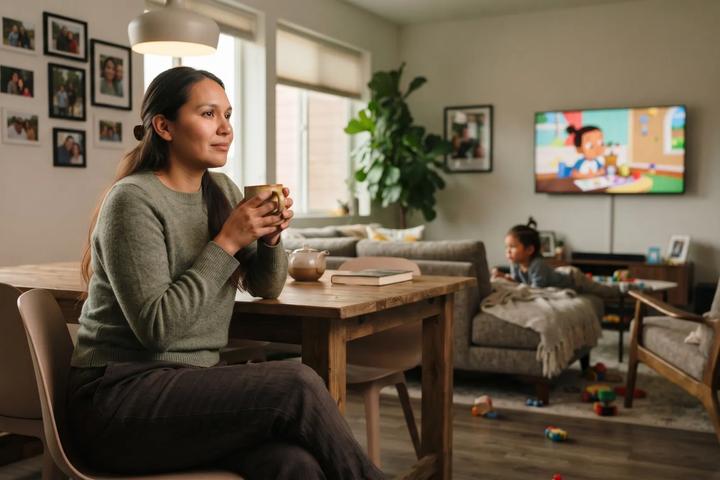
A lot of what we call sibling rivalry has less to do with the siblings than with a feeling of scarcity, the perception, conscious or not, that parental love and attention are limited resources to compete for.
When each child has a moment that belongs only to them, that perception shifts.
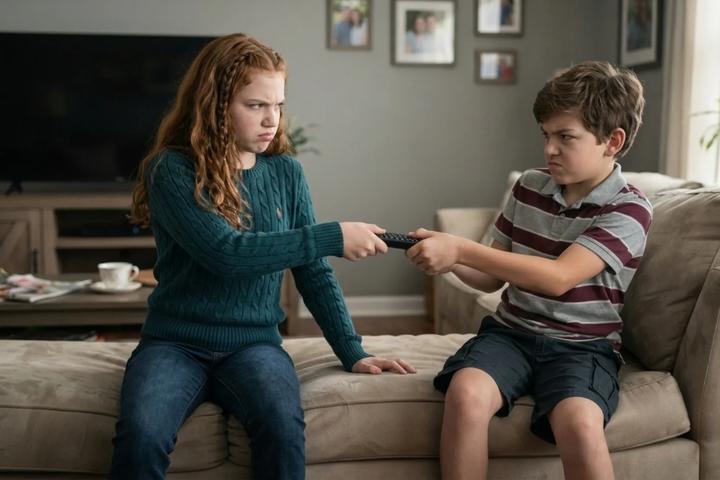
(Not all at once, not like magic, and certainly not before both of them still fight over the remote control at 7 am on a Saturday. But it shifts.)
What “special time” actually is — and what it isn’t
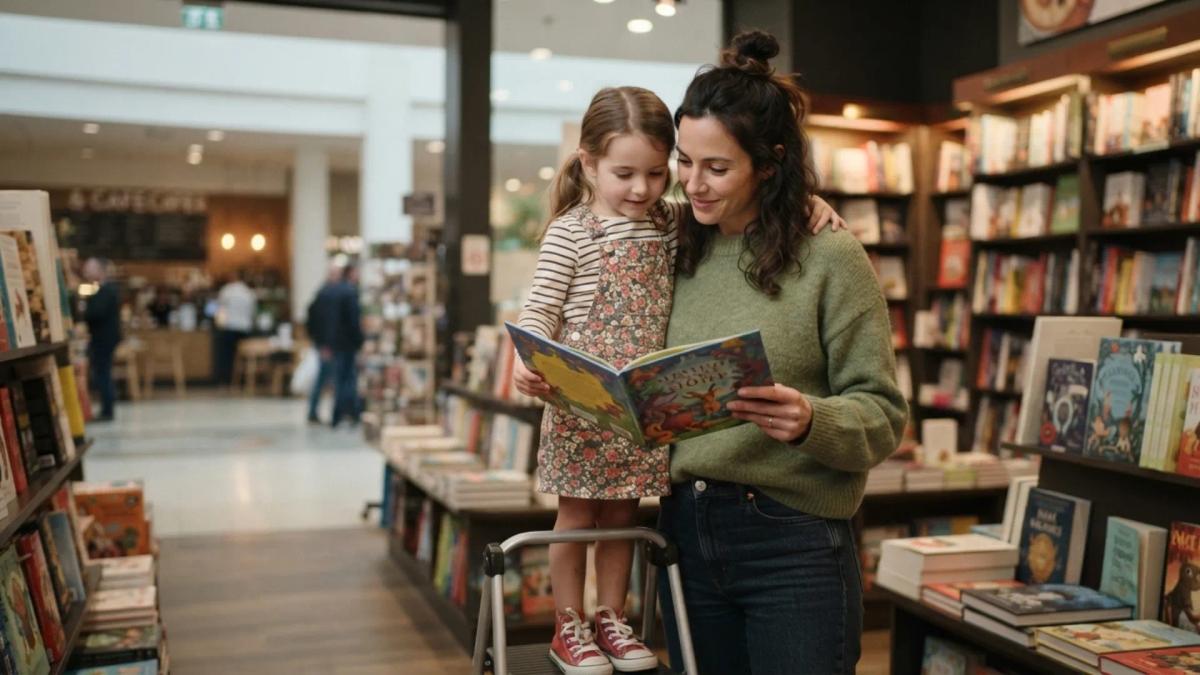
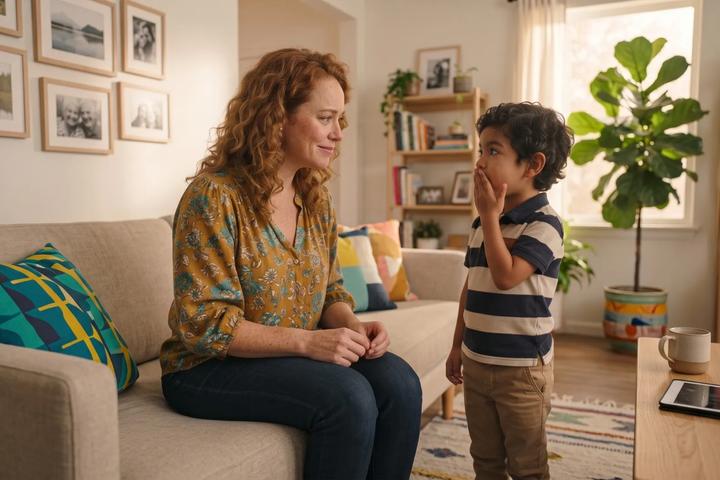
Special time isn’t an elaborate outing, a planned afternoon, or an expensive activity. It’s simpler: a block of time, even a small one, in which a child has a parent’s attention entirely to themselves.
No siblings. No sharing. No one else is waiting for their turn.
It could be twenty minutes in a bookstore or a drive with nowhere to go. What defines special time isn’t what you do. It’s the quality of presence, and the fact that no one else is sharing it.
(For a child who shares almost everything, the house, meals, weekends, the attention of the people they love, having something they don’t have to share is more powerful than it seems.)
Why does this affect sibling rivalry?
Children who fight a lot with their siblings are rarely fighting over the toy, the seat in the car, or the bigger piece of cake.
They’re fighting over something they can’t name: the certainty that they have a guaranteed place in their parents’ hearts, a place that makes them feel valued and secure, beyond competing or standing out.
When that certainty exists, the fight over the toy loses its urgency. It doesn’t disappear; kids will still be kids. But the tone shifts, the intensity drops, and what was a war becomes ordinary friction.
Researchers who study family dynamics describe this phenomenon directly; sibling rivalry decreases when each child feels they have an individual relationship with their parents, not just a place within the family group.
(She doesn’t need to beat her sibling if she already knows she has her own place. The Saturday morning remote control battle, though, that one’s going to run for a few more years.)
The problem with collective time
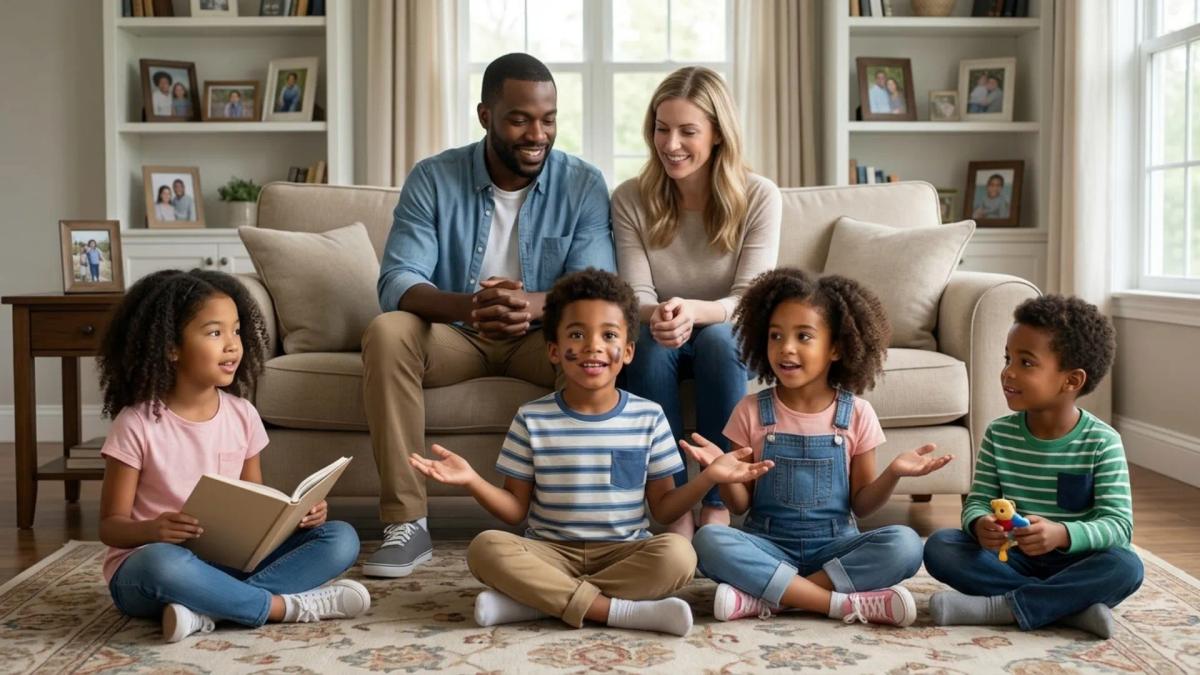
Families with more than one child spend most of their time together, and that’s a good thing. Dinners, trips, weekends, rituals. Shared time builds family identity, belonging, and memories.
But shared time has a limit: it doesn’t tell each child, individually, who they are to you.
In the group, the quieter child fades a little, the louder one dominates, the middle one navigates, and the youngest performs. Each one finds a role, and that role doesn’t always reflect who they really are when they’re alone with someone they love.
Individual time is when you discover that the child who seems difficult in a group is surprisingly easy one-on-one. What looked like a tantrum was just a lack of space to exist without an audience.
(Sometimes the child you think you know well surprises you completely when it’s just the two of you. And you find yourself thinking: who is this delightful kid, and where have they been hiding for the last three weeks of family dinners?)
To make this work in practice, plan regular, intentional moments with each child, even if they’re brief, to build consistency.
The good news is that special time doesn’t need to be fair in the mathematical sense; it’s about intention and consistency, which will make your children feel genuinely cared for and understood over time.
Some forms that work for real families;
The “what do you want to do” approach. Let each child choose what you’ll do during their time with you, within reason. This sends a double message: you matter enough for me to set aside this time, and you matter enough for me to do what you want.
The ritual is built into the routine. It doesn’t need to be a separate event. Picking up one child while the other is at an activity, doing a task together, or turning the grocery run into a moment for just the two of you; special time can live inside ordinary life.
The conversation without the sibling. Sometimes what a child needs isn’t an activity, but a conversation they know won’t be interrupted, commented on, or competed over. That alone is a special time.
Frequency matters more than duration. Ten minutes every week builds trust and reassurance, showing children they can count on this time, even when life gets busy.
(You don’t need to turn this into a project. You need to turn it into a habit.)
On the guilt of not being able to do it equally for everyone

Some weeks, one child will simply get more individual time than the other. Real-life logistics aren’t symmetrical, activities, phases, needs, temperaments. Everything works against perfect equity.
And that’s okay.
What matters isn’t that each child gets the same number of minutes. It’s that each one feels, over time, that they have an individual relationship with you, not just a place inside the family.
Children are surprisingly good at sensing intention. They notice when you’re trying, when you remember what they like, when you set aside something that’s just for them.
That weighs more than the stopwatch.
(There’s no such thing as perfect equity in a family. There’s a consistent presence, and that’s the part that stays. The stopwatch, thankfully, none of them will ever ask to see.)
In the end
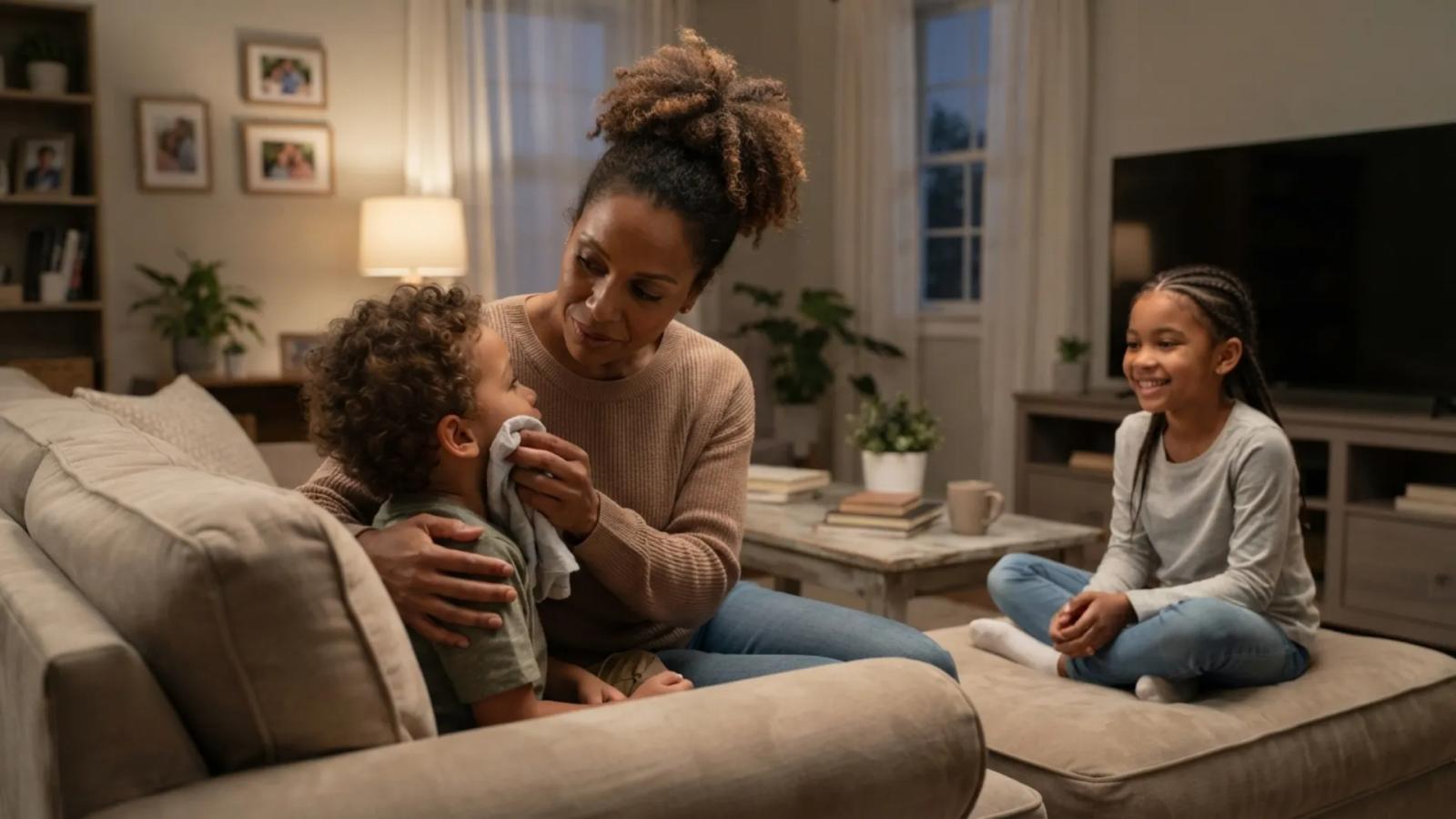
In the end, creating exclusive moments for each child helps foster a sense of individual importance and strengthens your family bond.
A moment where she doesn’t share with you. Where she doesn’t need to compete for your attention, stand out to be noticed, or wait her turn to speak.
A moment where she is, simply, the only one.
That moment says something no explanation about love can say quite as clearly: you don’t need to earn my time. It is already yours.
(And when each child carries that certainty, what changes isn’t just the dynamic between them; it changes the way each one sees themselves.)
FAQs
How often does it need to happen to make a difference?
There’s no universal number, but regularity matters more than absolute frequency. Even a brief weekly block tends to be more effective than long but sporadic blocks of time. The child needs to know it will happen again.
What if one child demands much more attention than the other?
Phases happen, and it isn’t always possible to divide time equally. What helps is making sure the child getting less attention still has some exclusive moment—even a small one. The feeling of being remembered, of having been chosen, is what matters.
How do you explain it to the kids without creating more jealousy?
With transparency and simplicity. “Today is your time with mom”, no comparisons, no long explanations. Children accept it more easily when a special time is presented as something everyone gets, not as compensation or a privilege.
What if the child doesn’t want to do anything “special” and just wants to stay home?
Perfect. Special time doesn’t need a script. Staying home together, without the sibling around, already does the job. What matters is the exclusivity of presence, not the activity.