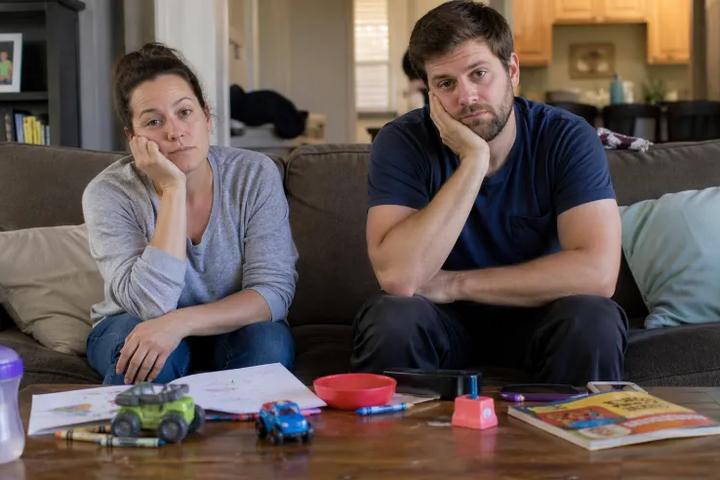
Somewhere between the school run and the dinner dishes, between the work email and the bedtime negotiation, there are five minutes that belong to you.
You’re not taking them.
Not because you’re lazy or ungrateful, or because you don’t know you need them. But because five minutes doesn’t feel like enough to matter, because someone will probably need something the moment you sit down, and because the version of self-care you’ve been sold requires a weekend away, a booked class, or at minimum an uninterrupted hour, none of which are currently available.
So you skip it. And then you skip it again. And somewhere around Thursday, you realize you haven’t had a single moment that was just yours since sometime last week, and you can’t quite remember what that felt like.
This is about five minutes. Not the spa weekend. The five minutes that are already there, that you’re not taking, and that would matter more than you think.
(If you’re reading this in a bathroom with the door locked, you already know exactly what this is about.)
The self-care myth that’s making things worse

The way we talk about self-care is a problem. Not because rest and pleasure don’t matter. They absolutely do. The trouble is, the version we’re sold is big, expensive, scheduled, and doesn’t fit the reality of parenting a little kid.
When self-care looks like a retreat, a spa day, a solo trip, or even just a night out, it sets the bar so high that most parents don’t even try. So it feels like all or nothing. Nothing wins by default, day after day, until all those missed moments add up to a quiet, constant exhaustion that’s hard to name and harder to fix.
Research doesn’t back up the idea that only big breaks help us recover. What actually works is much simpler: short, real pauses from all the demands. Nothing fancy, nothing expensive. Just moments that are really yours.
Five minutes of real rest does more for you than an hour spent sitting still but thinking about everything you still have to do. Where your body is matters less than where your mind gets to go.
Why you’re not taking them
It’s worth being honest about what’s actually in the way. Most of the time it’s not a logistics problem. The five minutes exist. What’s blocking them tends to be one or more of these:
- The belief that stopping before everything is done is irresponsible.
- The guilt of taking something for yourself when others still have needs.
- The habit of treating your own comfort as the last item on a list that never gets finished.
- The fear that if you stop, even briefly, you won’t be able to start again.
- The suspicion that five minutes isn’t enough to matter anyway, so why bother.
The last one deserves particular attention because it’s both the most common and the most wrong. The value of a small pause isn’t in how much it refills you; it’s in the signal it sends to your nervous system: that you exist outside of your role, that your needs are real, that there is a you underneath the function.
That signal, repeated often enough, changes something.
A parent who never takes a break isn’t more devoted. Just more worn out. And that exhaustion always has a price, usually paid by the people you most want to protect from it.
What five minutes can actually do

Five minutes of genuine rest doesn’t refill an empty tank. But it interrupts the drain, and that’s nothing.
Neurologically, a brief pause from demand, one where you’re not monitoring anyone, not solving anything, not performing any version of yourself for anyone else, activates the default mode network: the brain’s resting state, associated with consolidation, creativity, and the kind of background processing that produces the feeling of having space to think.
Practically speaking, it interrupts the escalation pattern that builds when the nervous system runs without breaks. The parent who takes five minutes tends to be more regulated an hour later than the parent who didn’t, and regulation is the single most transferable thing you have. A calmer you produces a calmer room, which produces calmer children, which produces a calmer evening. The five minutes are an investment, not a withdrawal.
(You already know this intuitively. The version of you that had ten minutes alone before the chaos started is a different person from the version of you who didn’t. The difference is real, and the people around you feel it too.)
What five minutes can look like
Not a retreat. Not a practice. Not something that requires preparation or follow-through or a booking confirmation. Some options that actually fit inside a real day:
Coffee before anyone else is awake
Ten minutes earlier than you have to be up, sitting with something warm, before the day has made any demands. Not scrolling, not planning, just the coffee and the quiet. This is the one that parents who swear by it describe as non-negotiable, because it changes the starting state of the entire day.
The car, before you go in
You’ve arrived somewhere. You don’t have to get out yet. Three minutes of sitting still, not doing anything, before you walk into the next thing. This works at home after a commute, at the school after pickup, anywhere you can stay in the car for a moment without it being weird.
A walk around the block without a podcast
Not exercise, not a health intervention, just movement without input. No audio, no phone, no destination beyond coming back. The brain does something useful in that kind of undirected movement that it can’t do when it’s consuming something. Many people find it’s where the thinking they need to do actually happens.
Five minutes after they’re in bed, before you start the next thing
The children are asleep, and the impulse is immediate: dishes, laundry, email, the thing you couldn’t do while they were awake. Five minutes of not doing any of that first. Sitting in the quiet of a house that has finally stopped asking things of you. This is harder than it sounds and worth it every time.
A shower that is actually just a shower
Not a planning session, not a worry spiral, not a mental rehearsal of the conversation you need to have tomorrow. Just warm water and the absence of anything you need to produce. You can close your eyes. You can stay an extra two minutes. Nothing bad will happen.
Saying no to one thing you didn’t want to do anyway
This one doesn’t look like the rest, but it creates it. The optional thing you said yes to out of habit, guilt, or the fear of disappointing someone: when you say no to that, you create space that didn’t exist before. That space tends to become the five minutes you needed.
You don’t have to change your life to make these moments happen. You just have to decide you deserve them. That’s the tricky part.
On the guilt
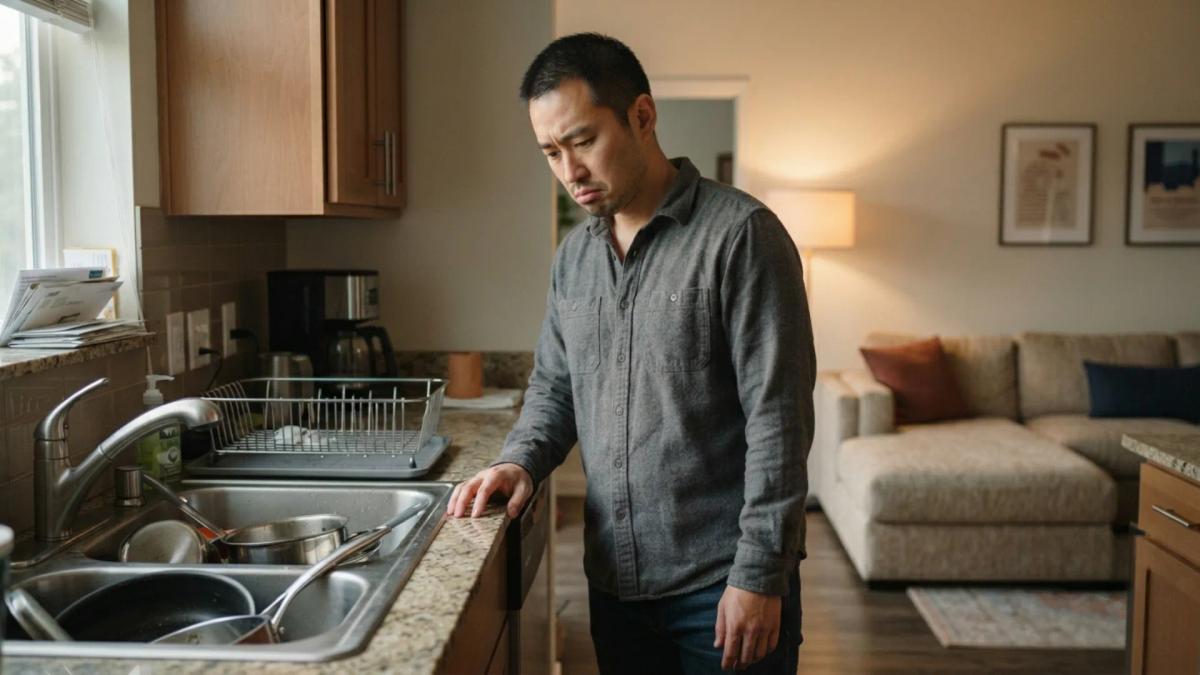
The guilt is real, and it’s worth taking seriously, because pretending it doesn’t exist doesn’t make it go away.
Most parental guilt about rest stems from conflating two distinct things: taking something for yourself and taking something away from your children. These feel the same, especially at 9pm when everyone is finally asleep and you’re choosing between rest and the dishes. But they’re not the same. Resting doesn’t deprive your children of anything. It replenishes the person they depend on.
There’s also something worth noting about the model you’re setting. A parent who never rests, who treats their own needs as the last priority on a list that never clears, is teaching their children that this is what love looks like: depletion in service of others, comfort deferred indefinitely, self as the thing that disappears when anyone else has a need. That’s not the model most of us want to pass down.
Taking five minutes for yourself isn’t selfish. It’s how you keep going. No one feels guilty for keeping the car running. You shouldn’t, either.
In the end
You don’t need a spa weekend. You don’t need a morning routine, a meditation practice, or a yoga class three times a week. You need five minutes, taken for real, without apology, often enough that they become a habit rather than a rare event.
The version of you that takes those minutes is a better parent, a more regulated adult, and a more present person than the version that doesn’t. Not because the minutes are magic, but because taking them is a decision about who matters in your own lif.e.
You matter. Take the five minutes as evidence.
You keep everyone else running. It’s more than okay to keep yourself running, too. In the end, it’s all the same job.
FAQs
What if I genuinely can’t find five minutes in my day?
If there are genuinely zero minutes in your day that aren’t accounted for by someone else’s needs, that’s not a self-care problem; it’s a structural problem that five minutes won’t fix. But most of the time, the five minutes exist and are being used for something that feels more urgent but isn’t: scrolling, low-grade worrying, doing tasks that could be deferred. The audit is usually more revealing than the schedule suggests.
Every time I try to take a moment, someone needs something. What do I do?
Some of this is timing (right after a transition is the worst moment to try to pause), and some of it is that children are remarkably sensitive to the signal that a parent is disengaging and respond to it with activation. Building the pause into a predictable structure helps: the same time every day, signaled clearly, consistent enough that children learn the pattern. They adjust. It takes longer than you’d like, but they adjust.
I feel worse after I stop, not better. Is that normal?
Yes, and it has a name: rest resistance, or sometimes the “parasite stress” effect, where stopping briefly surfaces the fatigue that was being suppressed by staying in motion. It’s uncomfortable, and it’s also a sign that the rest was genuinely needed. It tends to get easier the more regularly you stop, because the nervous system stops treating rest as a threat and starts treating it as normal.
My partner gets more downtime than I do, and I resent it. What do I do with that?
Name it, directly and without accusation: “I’m not getting enough time that’s just mine, and I need us to fix that together.” Resentment that stays unspoken tends to leak sideways into the relationship in ways that are harder to address than the original problem. The five minutes are partly a practical question and partly a fairness question, and both deserve to be on the table.