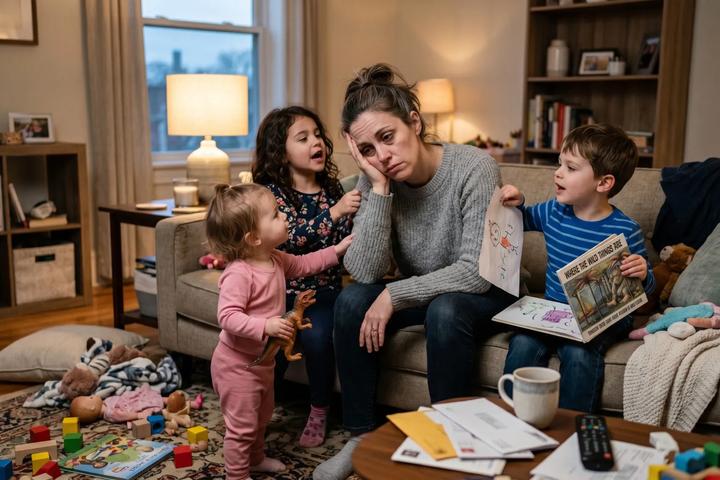
“There are days when I feel ridiculous for getting irritated by small things.
The problem is that many small things add up. It’s never just the spoon hitting the floor or just someone calling me from the other room for the tenth time.
But from the outside, they look small. They don’t see the bucket filling up, they only see the last drop that makes it overflow. So when I hit my limit, it just looks like I’m losing my patience over nothing.”
Do you relate to that?
For a long time, it was common to normalize exhaustion. There’s even that classic line: “Tired from what? Just wait until you have kids.”
When a parent went through a moment where they lost their temper, the conclusion seemed obvious: too sensitive, too tired, less patient than they should be.
Or maybe just not cut out to be a “real” parent.
Those judgments are cruel, and they completely ignore one very obvious truth: parents are human beings. Shocking, I know.
The world does not pause while we raise a child. Bills keep coming. Work keeps happening. Your relationship needs attention. Life keeps moving.
Their is so much pressure on our shoulders. So treating this like some kind of drama from unprepared parents is a deeply unfair mistake.
And when you look at it through a different lens, without turning everything into a moral failure, the whole picture changes.
You start to notice the actual volume of daily stimulation: deep responsibility, nonstop noise, constant touch, endless interruptions...
Even that feeling of never being able to think in peace.
What does parental exhaustion actually look like?
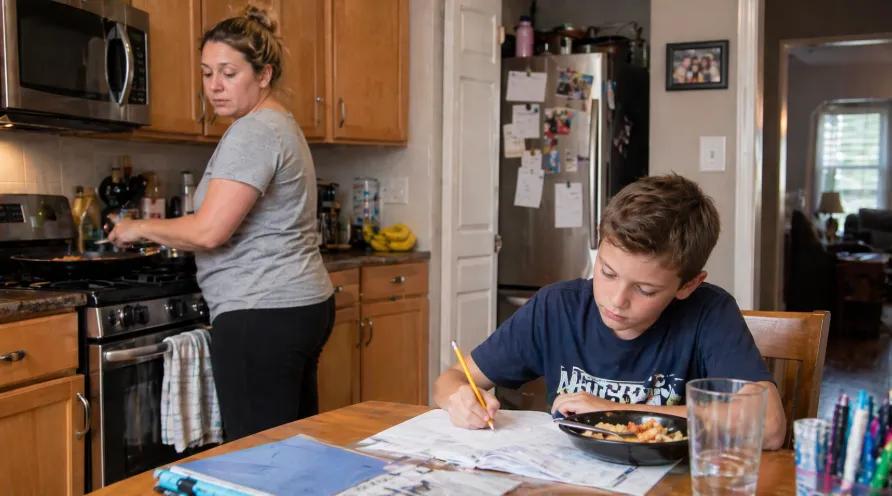
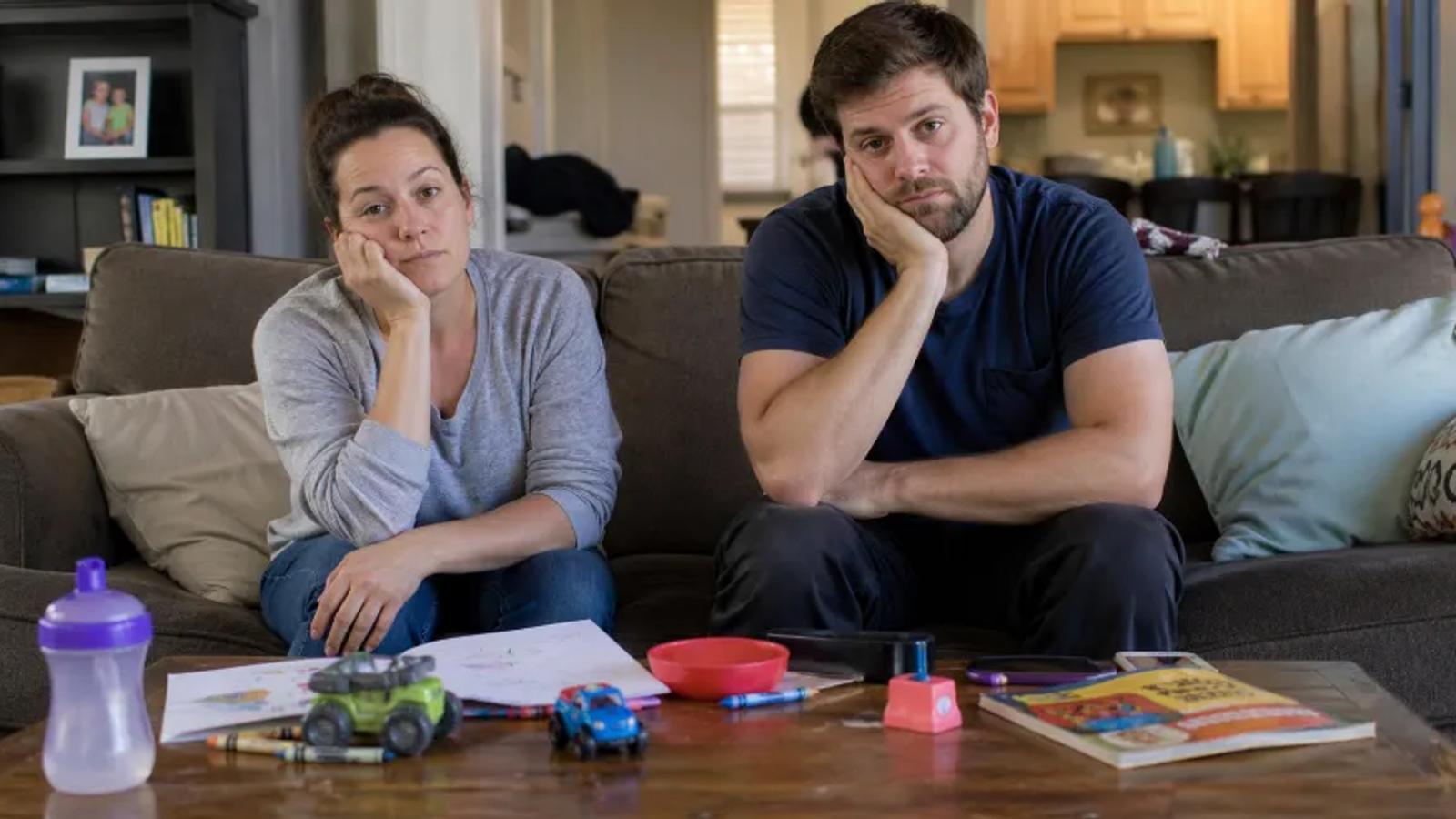
Parental exhaustion does not come only from the work that needs to get done.
It also comes from the sounds, the requests, the conversations, the crying, the tasks, the decisions, the physical contact, the worries, the guilt, the planning, and everything else that keeps piling on.
It’s like spending juggling more balls than you have hands for.
While pretending you still have everything under control.
That’s why “small things” can feel wildly oversized on the inside:
- your child asks for a glass of water and it feels like they just opened ticket number twenty-three at the help desk of a collapsing company;
- they spill juice on the couch and you briefly reconsider every life choice that brought you here;
- they ask one more time if they can watch TV and you consider disappearing into the laundry room and starting a new identity...
…None of that is drama. That is parental exhaustion.
The real problem
The hard part is that when the cup finally overflows, the first thing we do is judge ourselves.
The cycle usually looks something like this:
overstimulation> short, sharp response > guilt.
As if you were supposed to spend the whole day operating at 100% of your best self, sweet and emotionally available, no matter how chaotic everything around you is.
At P4P, we do not know anyone who lives like that in real life.
What we do know are parents trying not to lose themselves in the responsibility and routine, and doing an incredibly competent job within very human limits.
Realizing how mean that silent expectation is will not make your child stop crying, and it will not magically create an hour of silence before bedtime.
But it can help you stop judging yourself so harshly and start treating yourself with a little more care.
And that lets you get through the day with a little less pressure, a little less should, and a bit more oxygen.
What actually helps here?
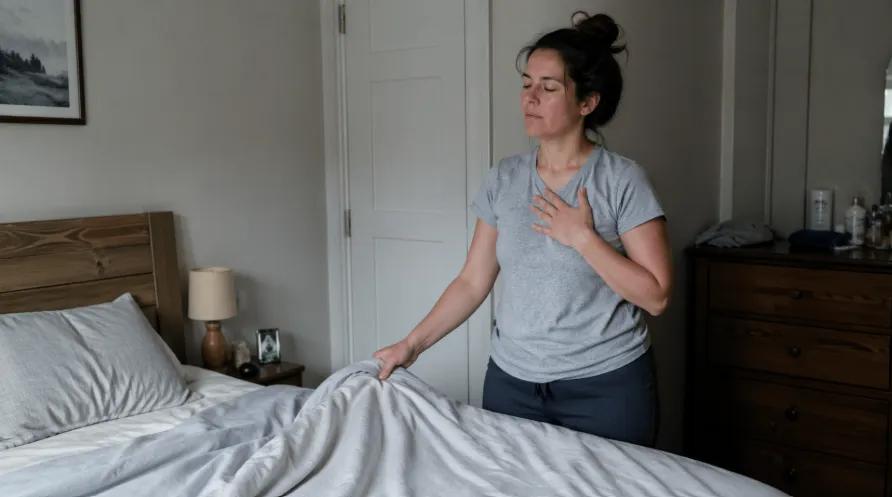
“I felt a very specific kind of relief when I was finally able to name all of this. Not in a big ‘wow, I’ve discovered something revolutionary’ kind of way, but more in a ‘so this is why I was crying angry tears after my child spilled milk on the floor’ kind of way.”
Sometimes you cannot leave the room, take a proper break, or meditate your way through it with eight-count breaths and then reappear like someone who just stepped out of a self-care playlist.
Life is not that Instagrammable.
But you can think something like: “I’m not reacting this way because I’m a bad parent. I’ve been dealing with the beautiful chaos of caring for a child for hours. I’m human too.”
That small act of self-awareness can be the difference between a whole day soaked in guilt and bitterness, and one stressful moment that passes.
It also helps to respect the warning signs when they show up before the explosion, even though that is easier said than done.
When physical touch starts to feel more irritating than usual, or a basic question feels weirdly personal, it may be time to pause.
And we’re not talking about huge solutions here. Parents, at this point, have probably developed a mild allergy to huge solutions.
We mean small things: turning off a light, lowering the volume, writing down the mental load instead of trying to carry it all in your head...
Most importantly, accepting that not everything has to be handled the second it appears.
It sounds small, but a lot of the time, that small shift is exactly what keeps the body from going from overloaded to completely flooded.
In summary
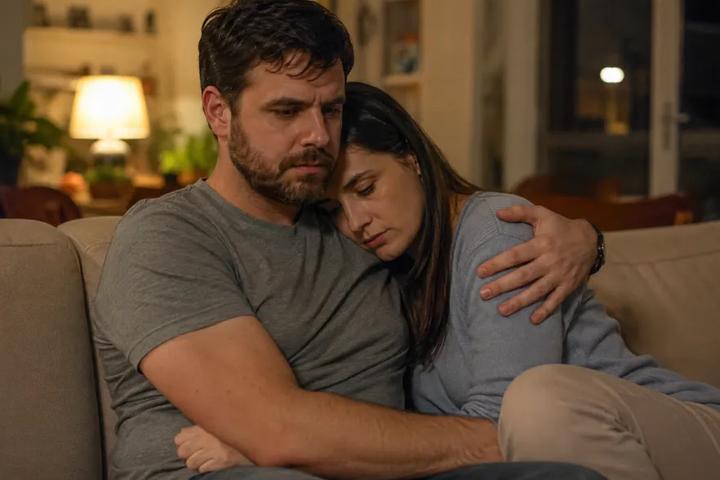
We wish more parents could hear this without feeling talked down to: you are not just “too sensitive” because you crossed your limit.
Most likely, you’ve just spent hours taking in more stimulation than any human being was meant to absorb without consequences.
That does not mean you have no responsibility for your reactions. You are still the parent, the adult in the room. But it does change the way you look at yourself.
And honestly, a less cruel way of looking at yourself helps a lot.
Some days, parenting feels less like a list of tasks and more like a live endurance experiment to find out how many times a person can be interrupted before their eyes start twitching.
So if you’ve been feeling impatient, fragile, or on edge over things that seem silly, maybe they are not silly at all. Maybe it’s just the buildup finally getting loud.
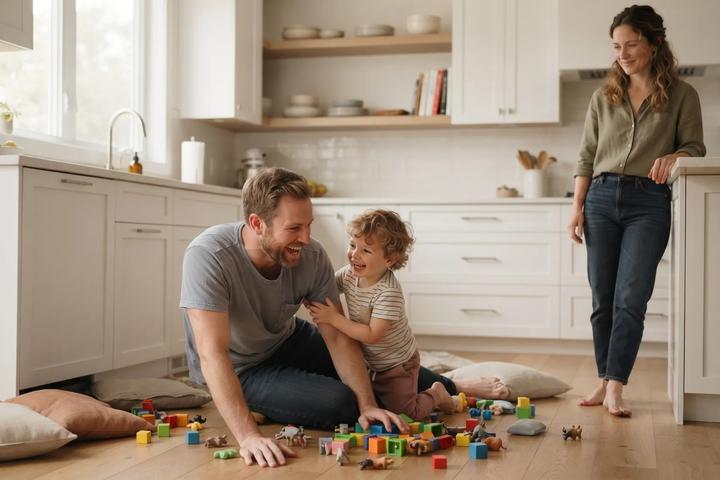
So let’s get some perspective here. Do not focus only on the last drop. Acknowledge all the other drops that filled the bucket. The ones you dealt with well. Feel proud of the dedication and energy you have for your child. You are only human. And you are doing so much.
Give yourself a moment of kindness and make room for your own humanity.