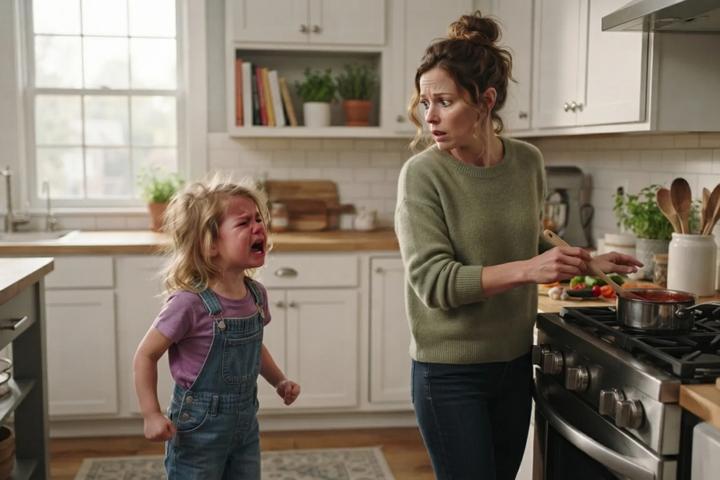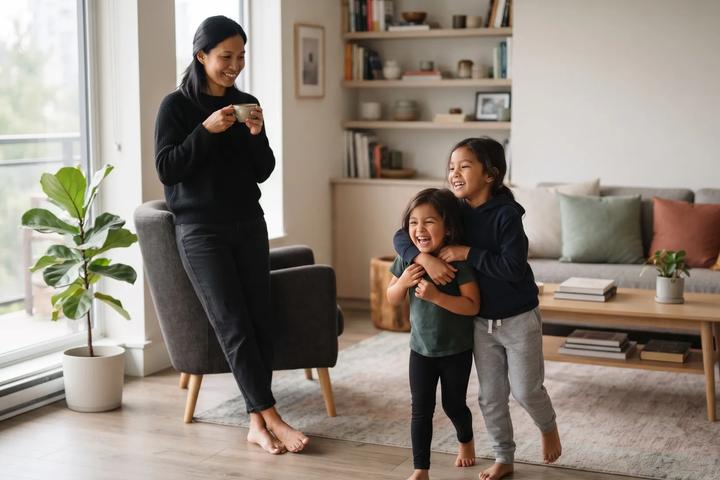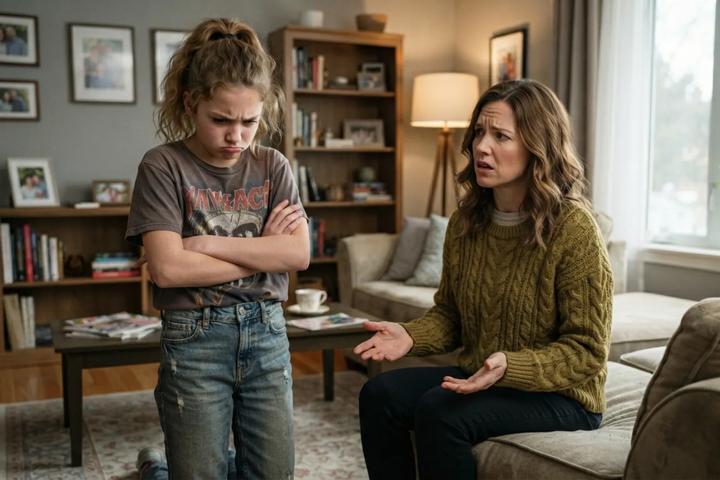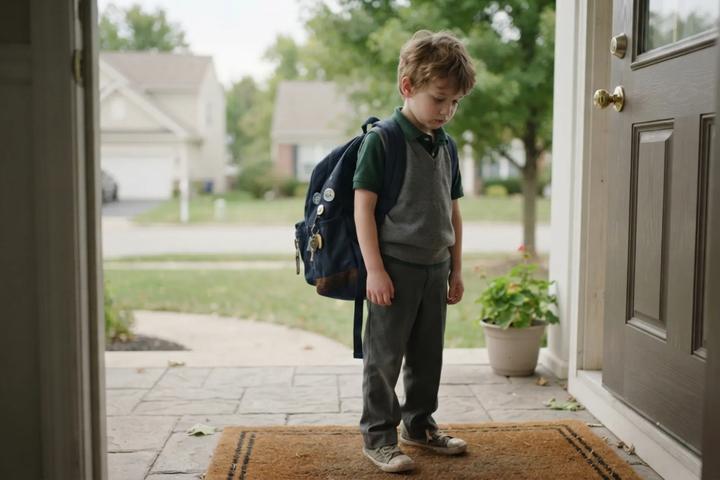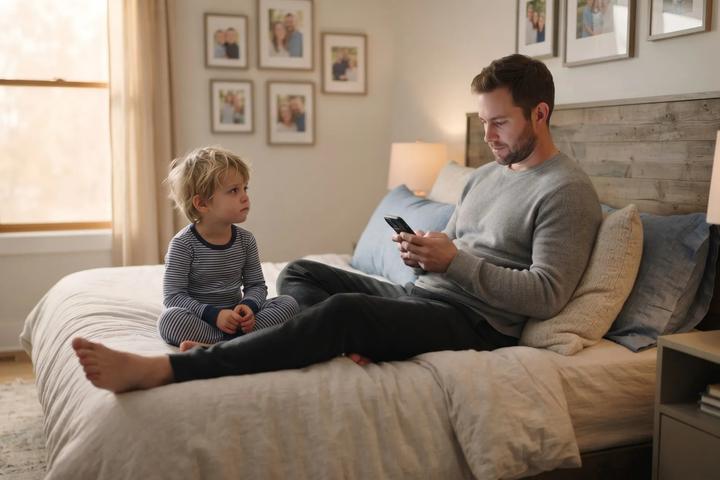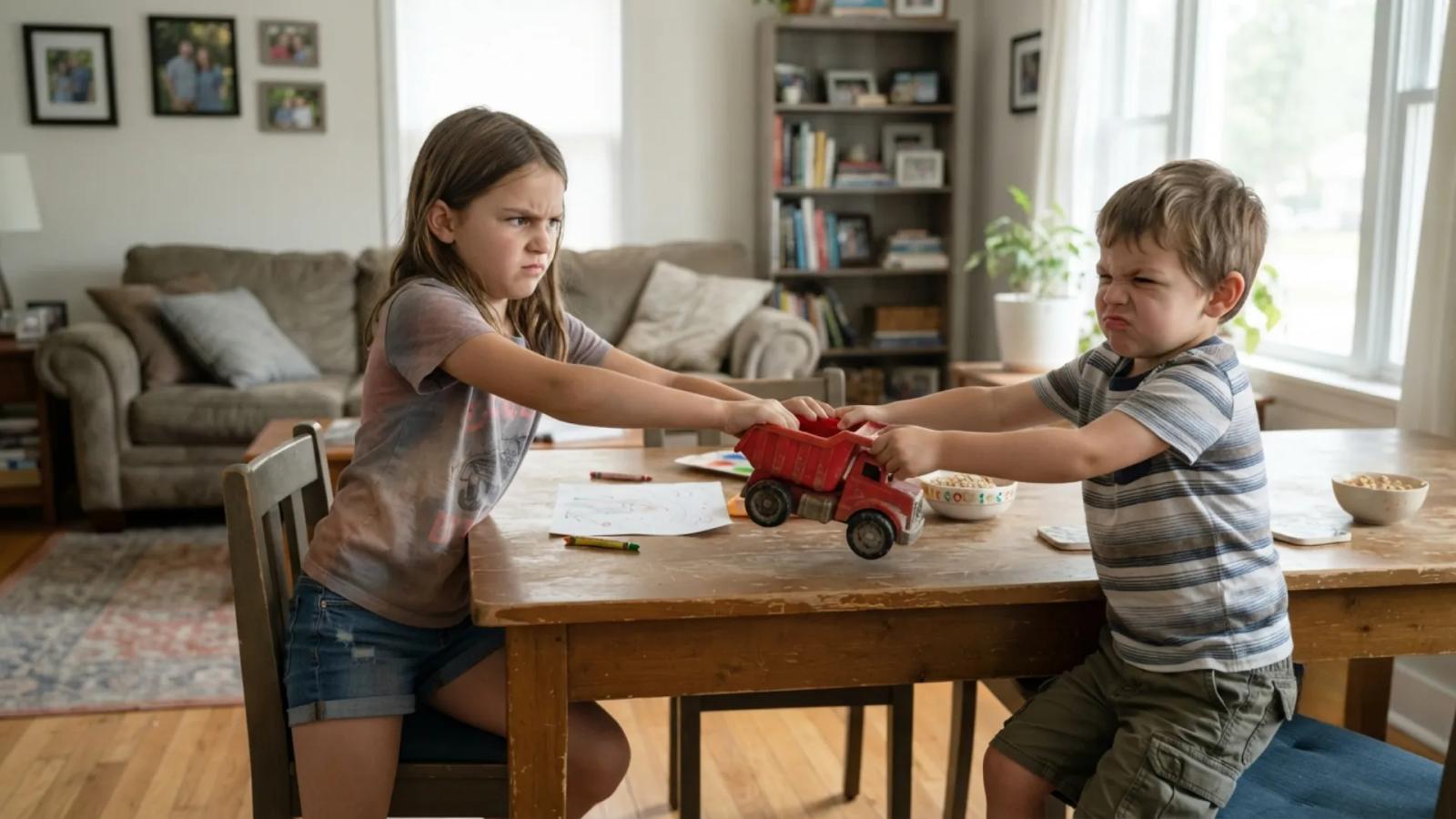
He made a face when you complimented his sister. She asked, for the third time that day, whether you love her more than the other one.
Or he just appeared out of nowhere the moment you sat down with the youngest in your lap, suddenly needing attention, needing to be held, needing you.
Sibling jealousy is one of the most common scenes in family life and, at the same time, one of the hardest to handle without feeling like you’re always doing something wrong.
But before it’s a behavior problem, jealousy is a message. And when you understand what it’s saying, what to do becomes much clearer.
Jealousy isn’t a character flaw.
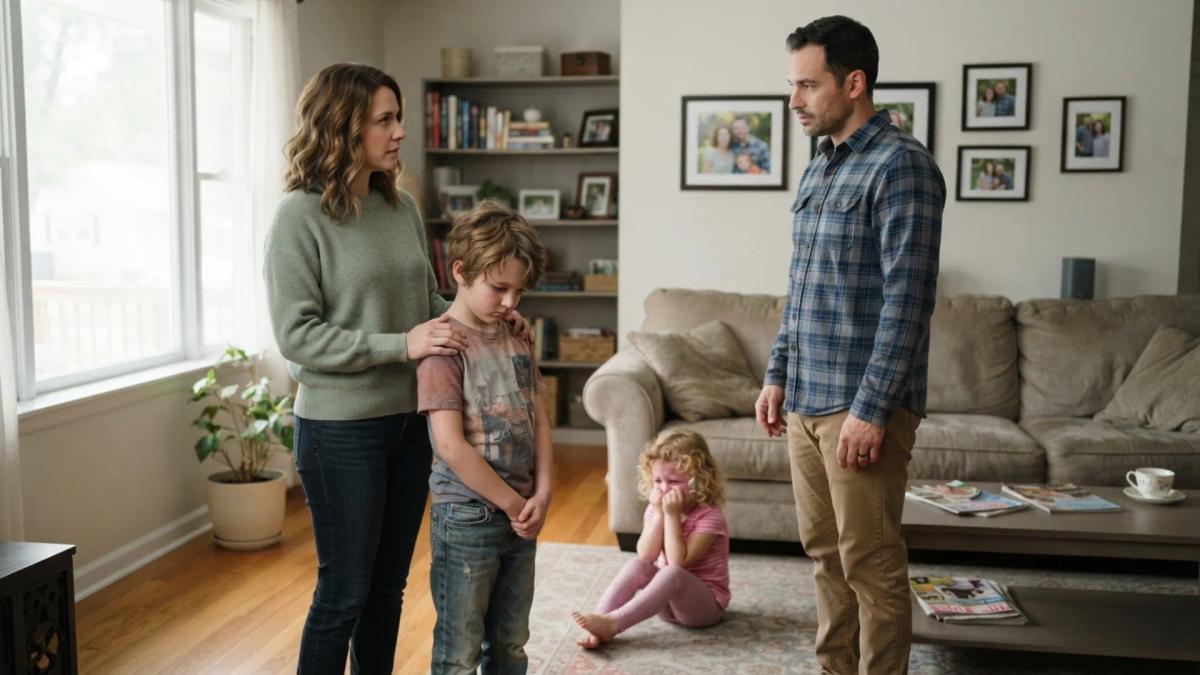
The most common reading of childhood jealousy is a moral one: the child is selfish, envious, spoiled. She should be happy for her sibling. She should want to share. She should grow up.
That reading has a central problem: it treats as a character flaw what is, in fact, a completely predictable emotional response to an objectively difficult situation.
Think about what it’s like to have a sibling from a child’s point of view: you share the house, the meals, the weekends, the parents, the attention, the space. And in some moments, especially when the other sibling is younger or going through something that demands more from the parents, you feel like you’re losing in the division.
Jealousy, in that context, isn’t greed. It’s an alarm system saying, “I need more of you than I’m getting right now.”
(A child who never feels jealous of a sibling has probably already convinced herself it’s not worth trying. Jealousy, paradoxically, is a sign she still believes she can have more. Which doesn’t make it easier when she’s destroying her brother’s drawing in protest, but at least it offers a gentler frame for the moment.)
What is jealousy asking for
Underneath almost every instance of sibling jealousy, there’s one of two unspoken questions:
“Do you love me as much as you love them?”
Or: “Do you still see me, even when they’re here?”
These questions rarely arrive as questions. They arrive as behavior: the child who regressed when the baby was born, the older one who suddenly starts doing everything the youngest does, the girl who glues herself to you exactly when you need to take care of the other one.
Recognizing the question underneath the behavior is the first step toward responding in a way that actually works.
(Responding to the behavior without answering the question is like turning off the fire alarm without putting out the fire; things seem resolved for a moment, then the alarm goes off again.)
What not to do, even with good intentions
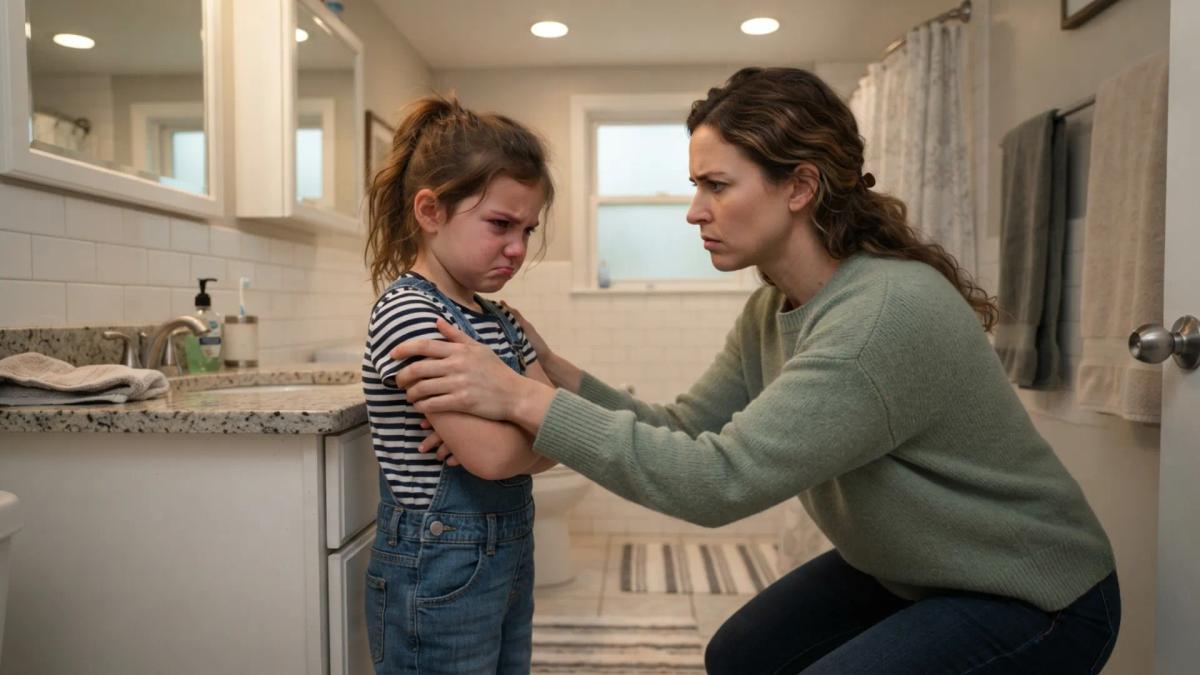
There are a few common responses to jealousy that seem reasonable but tend to amplify the problem:
Comparing. “Look how grateful your brother is,” or “Your sister never acts like this.” Comparisons put children in direct competition and confirm exactly the fear jealousy was already carrying: that the other one is better, easier to love, more preferred.
Minimizing. “There’s no reason to be jealous,” or “You don’t need to feel that way.” The intention is to reassure. The effect is teaching her that what she feels is wrong or excessive, leading her to hide it rather than process it.
Demanding gratitude. “You should be happy you have a sibling.” That might even be true in the long run. In the moment of jealousy, it’s exactly the kind of phrase that closes the conversation without touching what opened it.
Treating it as a tantrum. When jealousy shows up as physical behavior, a shove, a shout, a meltdown, trying to set a limit without validating the underlying emotion tends to work in the short term but worsens the pattern over time.
(None of these responses is mean-spirited. They all make intuitive sense. And none of them answers the real question the child is asking. Which is, in a way, reassuring; it means you weren’t getting it wrong out of bad intentions. You were getting it wrong with the best intentions, which is the most common way to get things wrong in parenting.)
What works
The most effective response to jealousy is also the simplest: address the underlying need before dealing with the behavior on top of it.
Name it without judging. “I can see it was hard when I was with your brother just now.” This doesn’t mean the jealousy was fair. It’s showing that you saw what happened inside her — and that it’s not something she needs to hide.
Answer the unspoken question. “You will always be my child. No matter what’s happening with your sibling.” Simple, direct, without needing the question to have been asked out loud.
Create a moment that’s just theirs with you. It doesn’t have to be long. Ten minutes of exclusive attention, no sibling, no phone, no multitasking, does more than an hour of divided presence. Jealousy often drops significantly when the child feels their own guaranteed space.
Separate the limit from the invalidation. “You can feel jealous. You can’t hurt your sibling.” The emotion is valid. The behavior it generates may not be. Both things can be true at the same time.
Avoid resolving jealousy by comparing downward. Saying “you actually have more advantages than they do” might be true — and still won’t help. Jealousy doesn’t respond to arguments. It responds to connection.
(You don’t need to resolve the jealousy. You need to respond to the need it’s carrying. Those are different things, and the second one is much easier to do.)
On not treating your kids identically
A common misunderstanding about family equity: treating children equally means giving everyone the same thing, at the same time, in the same way.
It doesn’t.
It means giving each child what they need, and those needs differ by age, temperament, and phase. The youngest who gets more attention isn’t being favored: they’re getting what they need in that moment.
The challenge is that children don’t see this clearly. They see distribution, and any uneven distribution triggers the alarm.
What helps is naming it explicitly, simply: “Your brother needs more help right now because he’s still little. You’ll also need different things that only you will get.” Not a long explanation. A sentence that acknowledges her perception and makes room for her own place.
(Equity isn’t giving the same. It’s making sure each one feels they have their own. Which, in practice, means you’ll spend the next several years explaining this in different ways to people who will keep insisting the other one got more ice cream.)
In the end
Sibling jealousy won’t disappear completely. It’s part of what it means to grow up sharing space, attention, and love with other people who also need those things.
But the intensity and frequency shift considerably depending on one thing: whether each child feels they have a guaranteed place — a place that doesn’t need to be earned, defended, or compared.
When that place exists, jealousy doesn’t vanish. It gets smaller. And over time, the relationship between siblings has more room to become what it can really be.
(Siblings who learn not to compete for their parents’ love have a lot more energy left over to actually like each other. This doesn’t mean they’ll stop fighting over the remote, but it’s something.)
FAQs
Is jealousy normal at all ages?
Yes, but the form changes. In younger children, it tends to show up as behavioral regression or physical attention-seeking. In older children and pre-teens, it can come as withdrawal, verbal comparison, or distancing. At every age, what’s underneath is the same: the need to know they have a place.
What if the jealousy comes with aggressive behavior?
Separate the two things: the emotion is valid, the behavior has a limit. In the moment, step in to protect the sibling and separate without escalating. Afterward, when both are regulated, the conversation about what happened, and what they were feeling, has a much better chance of getting somewhere.
How do I handle it when one child genuinely needs more attention due to illness, learning difficulties, etc.?
With honesty and simplicity. “Your sibling needs more help right now, and we’re giving it. That doesn’t change what you are to me.” And whenever possible, create small exclusive moments with the other child, even brief ones, so they feel their space is guaranteed even when parental attention is unevenly divided.
How much should I intervene in sibling fights?
The general rule: intervene when there’s a risk of physical harm or when the fight has gone beyond both children’s emotional control. Smaller conflicts resolved by the kids themselves build important skills in negotiation and repair. Stepping in for everything removes that developmental space, and exhausts you far more than necessary.