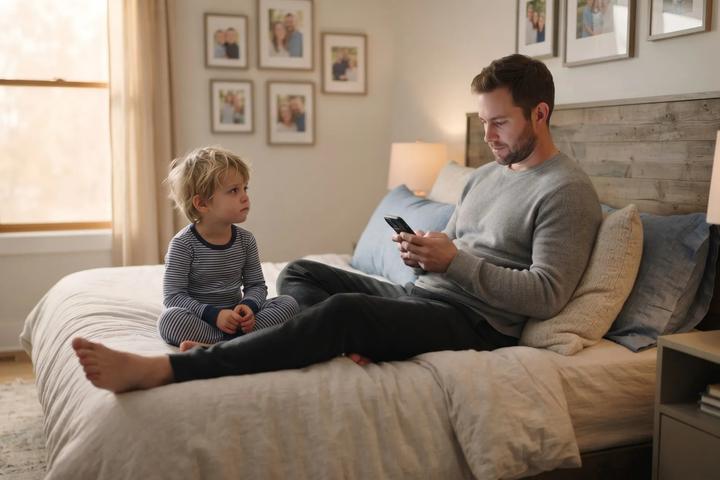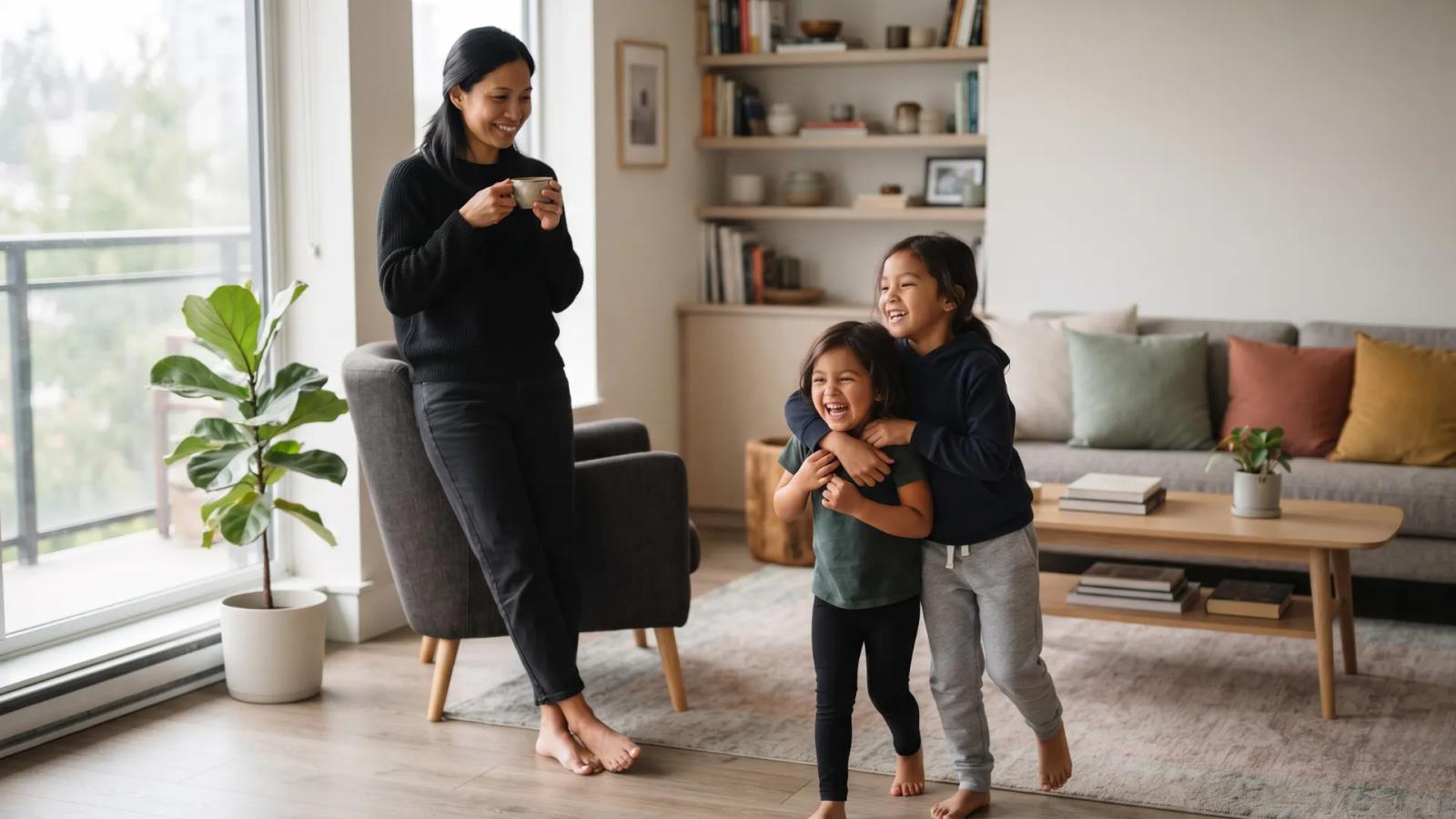
You wanted them to be close.
You pictured them sharing secrets, laughing at inside jokes, and building a bond that would last beyond childhood. You chose to give them a sibling, hoping they would have that connection.
But as they grew, their personalities and differences became clear. Their relationship became something you could watch, worry about, and sometimes step in to help, but not something you could control.
Accepting this is one of the toughest parts of parenting siblings. You can set the stage, but you can’t create their relationship. It belongs to them, shaped partly by your actions but mostly by who they are.
The good news is that the environment you create matters more than you might realize. The harder part is that your influence works slowly and in ways you might not expect.
You aren’t building their relationship directly. Instead, you’re shaping the environment where their relationship can grow. That’s a different role, but it’s the one you truly have.
What parents can’t control

It helps to start here, since much of parental worry about siblings stems from trying to control things that simply can’t be controlled.
You can’t make them like each other. You can’t create real affection between two people with different personalities, interests, and a unique dynamic shaped by their birth order. You also can’t force inside jokes, closeness, or that special bond.
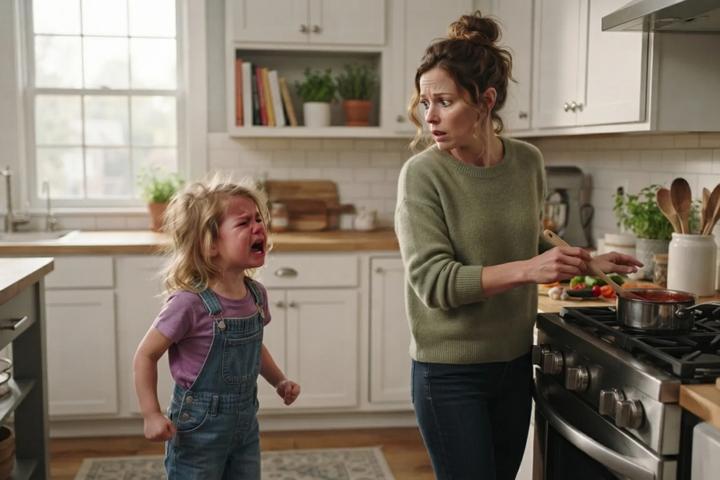
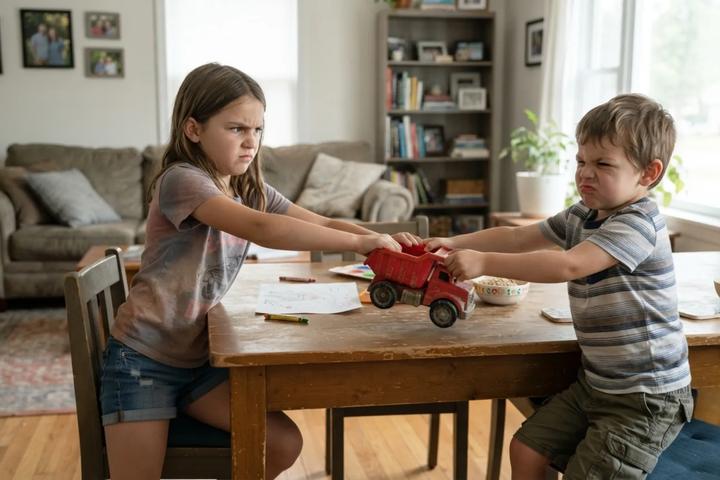
You also can’t stop every conflict. Trying to do so often leads to kids who don’t learn how to work things out on their own, which can be worse than the arguments you wanted to avoid.
You also can’t predict how they’ll relate as adults. Siblings who argued a lot at ten might be best friends at thirty, while those who were close as kids might grow apart later. Their adult relationship depends on things you can’t foresee, like shared experiences, where they live, their choices, and who they become.
The way they relate at eight won’t be the same at thirty-five. Kids who fight a lot now aren’t necessarily going to be distant as adults. Keeping a long-term perspective is helpful, though it isn’t always easy.
What parents can influence
The environment you build around your children’s relationship truly matters, even if its effects aren’t always obvious right away.
It matters whether each child feels secure in their relationship with you. Research shows that kids who feel confident about their place with their parents compete less with each other. What looks like sibling rivalry is often really about the parent. The best way to reduce it is to focus on each child’s individual relationship with you, not just on their relationship with each other.
The emotional atmosphere at home matters too. Kids who see adults name emotions, fix conflicts, and disagree respectfully learn how to handle their own disagreements. They aren’t born knowing how to make up after a fight with a sibling—they learn by watching the adults around them, even if it’s not perfect every time.
How you talk about each child in front of the other matters. Even well-meaning comparisons shape how siblings see each other. For example, saying "Your sister is so organized" to a child who isn’t doesn’t just describe—it sets up a comparison. Focusing on each child’s qualities on their own, instead of comparing, helps reduce tension between siblings.
It’s important to let the sibling relationship develop on its own. When parents step in to manage every conflict or interaction, the relationship doesn’t get a chance to grow naturally. Some of the best bonding happens during those unsupervised, everyday moments that can’t happen if an adult is always in charge.
The stories you share about their relationship matter. Family narratives shape how siblings see each other. If you often say, "You two have always been so different," that becomes how they view each other. Saying, "You really supported each other when things were tough," highlights a positive moment. The way you talk about them, both to them and around them, influences what they believe about each other.
You can’t decide exactly how their relationship will turn out. But as the one telling the family story, you have more influence than you might think.
The specific things worth doing
Protect individual time with each child.
The most effective way to help your children’s relationship isn’t really about their relationship with each other.
Spending one-on-one time with each child, without their sibling, helps reduce the competition that often causes conflict. When each child feels secure in their relationship with you, they don’t have to compete for your attention. This makes their relationship with each other smoother.
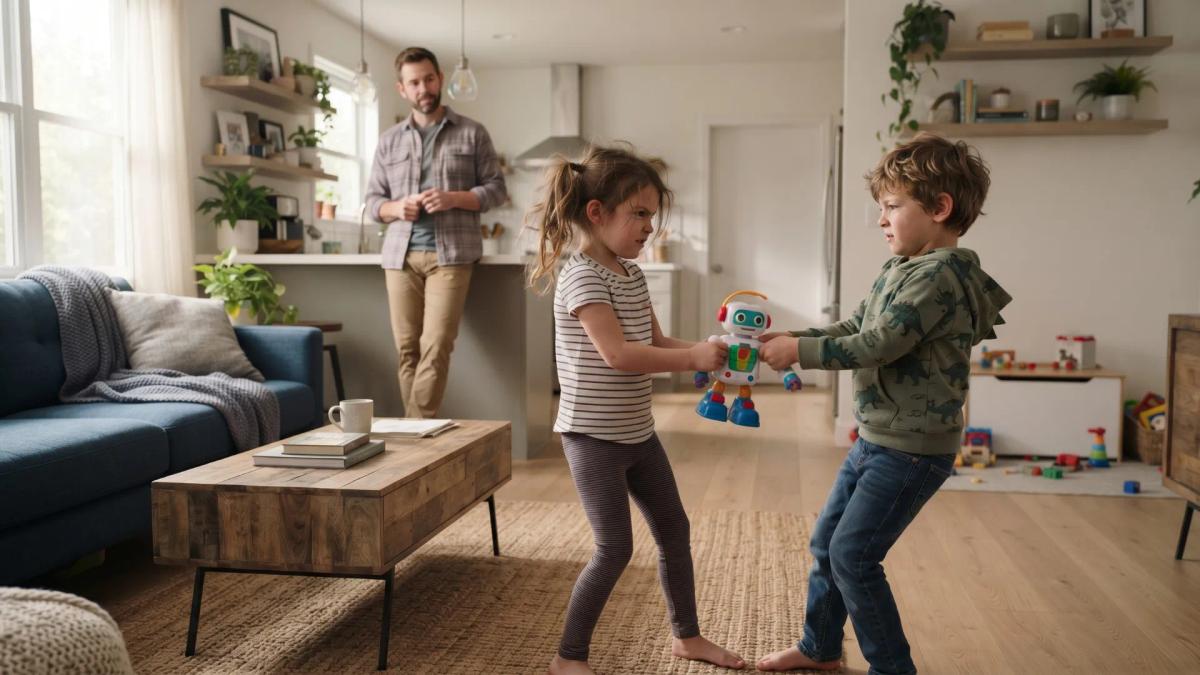
Stay out of small conflicts.
It’s natural to want to step in when siblings argue, but doing so can sometimes make things worse.
When kids work out small disagreements on their own, they learn how to negotiate, handle frustration, and fix problems. These are skills they miss out on if adults always step in. Some conflicts do need adult help, like those involving physical harm, big power differences, or emotional cruelty. But most sibling arguments aren’t that serious, and letting them handle those helps them grow.
Repair, don’t punish
When you do need to step in, focus on helping them repair the relationship instead of punishing. This leads to better long-term results.
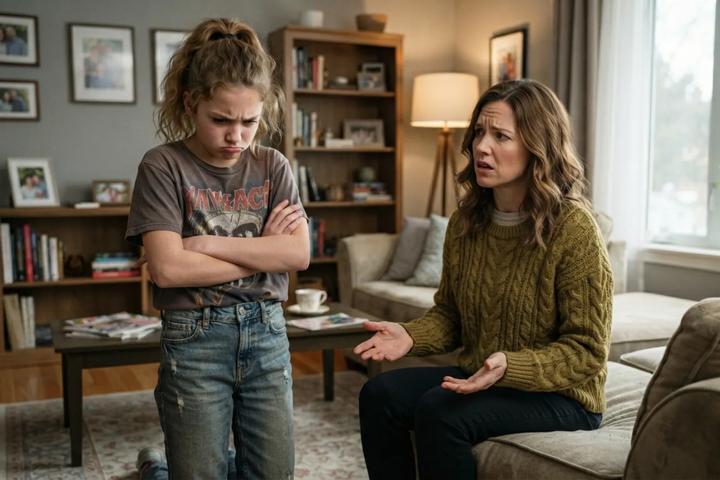
If a child is told to apologize before they understand what happened, they just learn to fake being sorry. But if you help them see what their sibling felt, their own part in it, and what they could do differently, they learn skills they’ll use next time. Repair takes longer and is harder, but it teaches more.
Create shared experiences without forcing togetherness.
Family routines, shared activities, trips, and the everyday experience of growing up together all create memories that shape the sibling relationship over time.
The key difference between shared experiences and forced togetherness is choice. A family dinner where everyone joins in is a shared experience. Forcing siblings to play together when one doesn’t want to usually leads to resentment, not closeness. The most meaningful shared moments are the ones that happen naturally, not the ones that are forced.
Let each child have a separate identity from their sibling.
A subtle but important factor in sibling relationships is how much each child feels like their own person within the family.
When a child is always described in relation to their sibling (like "the sporty one" or "the easy one"), they have less space to be themselves. Sometimes, sibling tension comes from trying to stand out. Giving each child room to have their own identity, clearly and often, helps reduce conflict.
Sibling relationships are healthiest when each child feels whole and secure as an individual. The relationship is where they practice being themselves, not what defines them. Keeping this in mind makes a difference.
What the research actually says about adult sibling relationships
If you’re concerned about how things will turn out in the long run, research offers a few helpful insights.
Sibling relationships are often the longest relationships people have, sometimes lasting sixty or seventy years. They also change a lot over time. These bonds can grow stronger during big life events, like a parent’s illness or death, and often get better in adulthood when childhood competition fades.
How siblings got along as kids can influence how close they are as adults, but it’s not the only factor. Things like living near each other, being at similar life stages, sharing values, and choosing to stay connected matter too. These aren’t set by what happened when they were eight.
Studies show that how parents act has a bigger impact on sibling relationships than the kids’ personalities alone. Favoring one child, having a home full of conflict, or always taking sides in arguments can all lead to worse sibling relationships over time.
The biggest threats to sibling relationships are clear and often avoidable. What helps most isn’t dramatic—it’s things like security, fairness, space, and time.
In the end
Your children’s future relationship as adults is still unwritten.
Right now, you’re setting the stage: building a home where each child feels safe, where conflicts are resolved instead of just punished, where everyone can be themselves, and where the family story values both children as individuals, not just as opposites.
These conditions can’t guarantee your kids will be close. Nothing can. But they make closeness possible and allow your children’s relationship to develop naturally, rather than being limited by their environment.
That’s your real job as a parent. It’s slower and less obvious than most of us would like, but it’s what truly counts.
You can’t hand your kids a close relationship, but you can give them a home where closeness can grow. For most siblings, that’s enough.
FAQs
My children genuinely seem to dislike each other. Is that a sign something is wrong?
Not always. It depends on what you mean by “dislike.”
Kids who argue a lot but make up and reconnect are in a different place than those who are distant, dismissive, or regularly unkind without making up. The first is normal and often improves over time. The second deserves more attention—not as a judgment, but as a sign that something in the relationship might need to be addressed, whether through a talk, changing how conflicts are handled, or getting outside help.
Should I make my kids spend time together, or let them spend time apart on their own?
A little structure helps, but forcing it usually backfires.
Family dinners, trips, or activities that include everyone create shared experiences without forcing anyone to enjoy them. Making siblings play together when one or both don’t want to usually leads to resentment, not connection. The aim is to give them enough shared moments to build on, not to force togetherness that makes them want to avoid each other.
One of my children is clearly being excluded or rejected by the other. How do I handle it?
This situation needs direct adult involvement. It’s causing real emotional harm, not just normal sibling disagreements.
There are two steps to take: First, talk with the child who is excluding the other—find out what they’re trying to say, what they need, and remind them of how they should treat their sibling. Second, support the child who’s being left out by acknowledging what’s happening and helping them build connections and confidence outside the sibling relationship. The goal isn’t to force them to get along, but to set a standard of basic respect and make sure the excluded child isn’t hurt by the situation.
Is there a point where I should stop hoping for closeness and just accept the relationship for what it is?
You don’t have to choose between accepting the relationship as it is and hoping for change. You can do both. Accept where things are now while still creating space for improvement.
What’s worth releasing is the specific vision you had of what the relationship would look like, because that vision was yours, not theirs. The relationship they actually have, whatever it is, is the one worth tending. Sometimes accepting what is makes more room for it to change than holding tightly to what it should be.