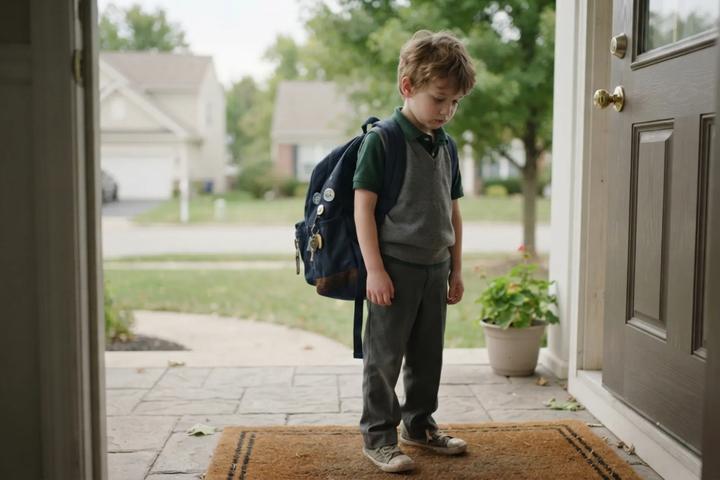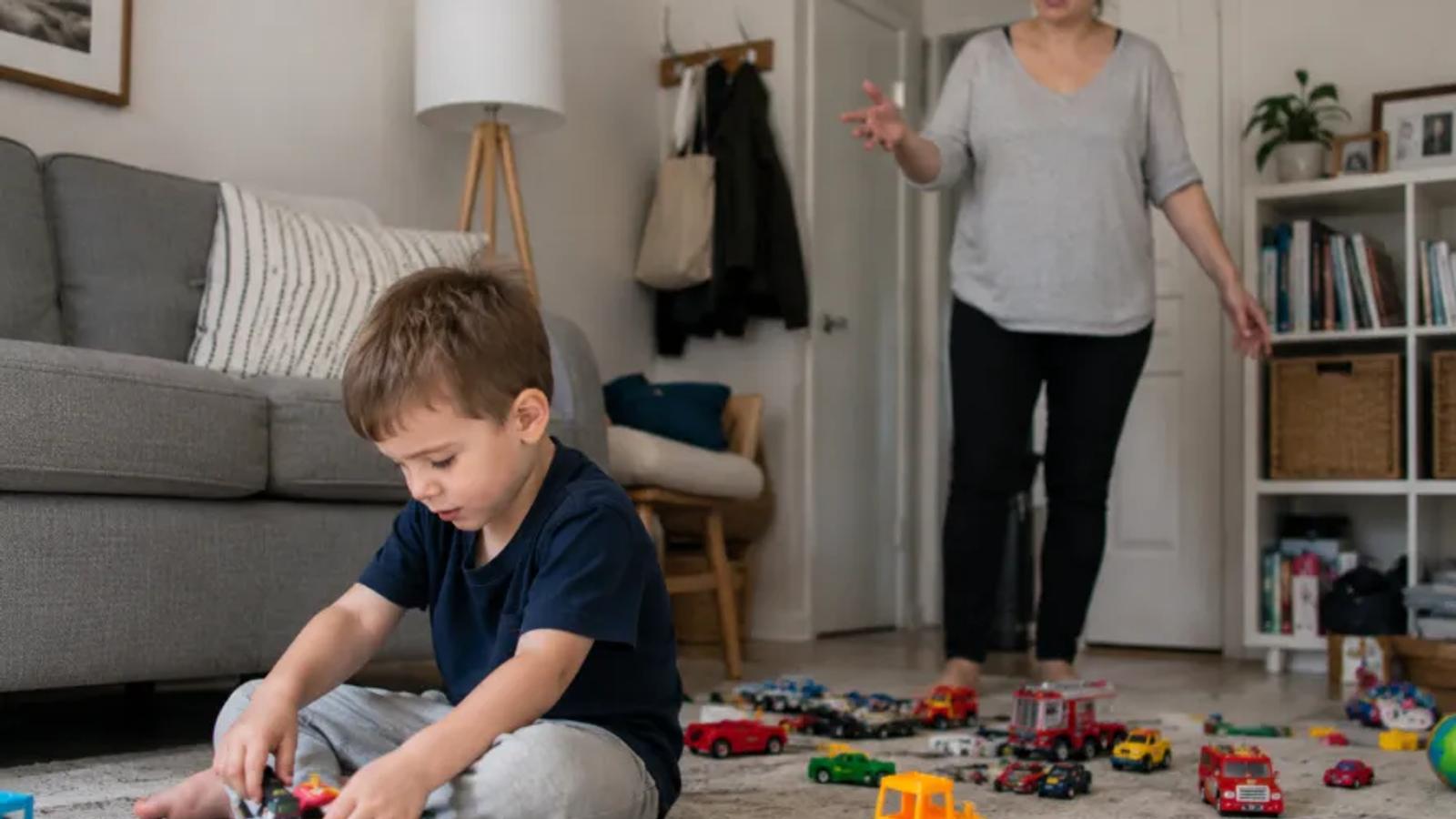
You’ve already asked him to put the toys away. Three times. Four. On the fifth, something shifted in your voice — not quite a yell, but that voice, the one only an exhausted parent has — and he finally moved.
And then, somewhere between the sore throat and the low-grade headache settling in, you catch yourself thinking:
“Why does he only hear me when I yell?”
First things first: this has nothing to do with “you’re doing it wrong” or “your kid is pushing your buttons on purpose.”
There’s a real psychological explanation behind it — one that might actually help you sleep a little better tonight.
What actually happens when your voice changes

When you ask in your normal voice, your child receives the request. Processes it. Keeps doing what they’re doing.
That’s not pure stubbornness. For a young child, the present moment is incredibly powerful. The toy in their hands right now is competing with a verbal instruction coming from across the room.
And most of the time, the toy wins.
(It’s not a fair fight. The toy is right there. You’re across the room, talking to the air.)
When the tone shifts — when your voice gets lower, shorter, with less room to negotiate — something different happens in their nervous system. The signal is no longer just a request. It’s an urgency cue. And their body responds.
It’s not that they only listen when you yell — it’s that they only actually stop what they’re doing when they sense the situation has changed levels.
(Think of it this way: if a coworker emailed you five times asking for the same thing in the same tone, you’d probably figure it wasn’t urgent either.)
The problem is what happens next.
The cycle nobody chooses — but everyone ends up in
When yelling works, the brain learns. On both sides.
The adult learns that asking calmly takes time, drains patience, and often doesn’t work. So the tendency — conscious or not — is to start skipping steps. The yell becomes the shortcut. The voice rises sooner. The window before escalation gets smaller.
The child learns that the “normal” request isn’t urgent — it’s just background noise. That when the tone changes, then it’s real.
And nobody chose this. It just happened.
Over time, the bar rises for both. The adult needs to yell louder to get the same effect. The child needs a stronger signal to register something as urgent.
This cycle settles in gradually — so gradually that most families only notice it when they’re already deep inside it. And then comes that uncomfortable feeling of not quite recognizing how things got here.
What doesn’t help
Before anything else, it helps to know what changes nothing:
- Repeating the request more times in the same tone. If five times didn’t work, six won’t either. The signal needs to change, not the quantity.
- Appealing to their sense of reason mid-meltdown. Explaining why you’re frustrated while they’re still deep in what they were doing rarely lands. The emotional processing comes later.
- Deciding they’re doing it “on purpose to drive you crazy.” They almost certainly aren’t. They’re being a kid, which is exactly their job at this stage.
Knowing what doesn’t work already takes some of the pressure off. And there are things that actually do help shift the dynamic.
What can actually make a difference
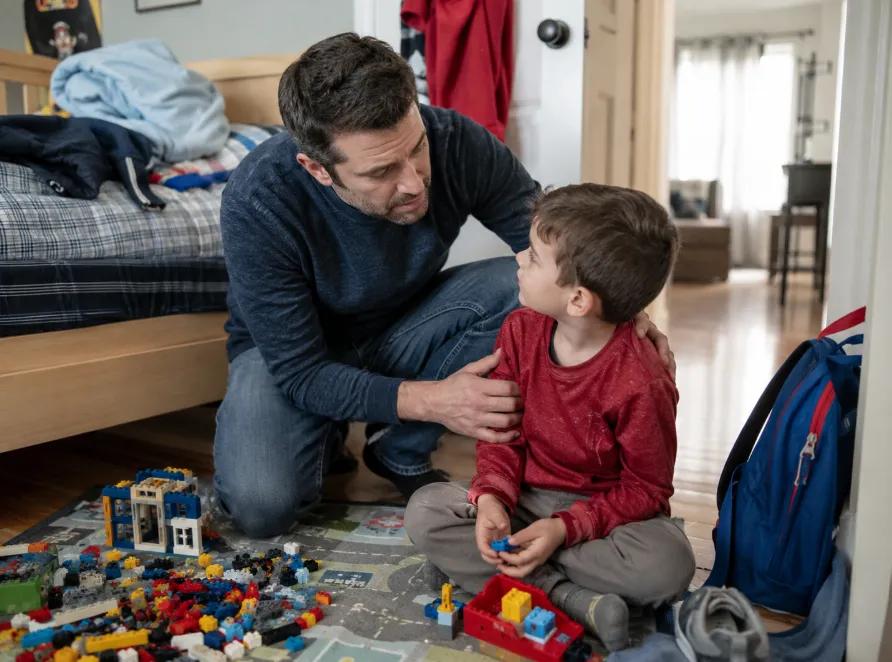
None of these are magic. But each one works on the cycle itself, rather than just reacting to it.
Get close before you ask.
Physical distance dilutes the request. When you’re across the room talking toward a child who’s absorbed in something, the chances of them really hearing and processing are low. Getting close, putting a hand on their shoulder, waiting for eye contact — that changes the reception channel before you even open your mouth.
Give a heads-up before demanding a transition.
“In five minutes we’re going to put the toys away” is different from “put them away now.” Kids genuinely struggle with abrupt activity changes — not because they want to, but because their system is still learning how to do it. This isn’t permissive parenting. It’s respecting how their brain works.
Think about how you feel when someone changes the plan with no warning, no explanation, no margin. Your first instinct is almost never cooperation. Your child doesn’t have the vocabulary to name that feeling yet — but their body reacts the same way.
One instruction at a time.
“Put the toys away, put your shoes on, grab your bag, and come here” is four instructions. To an already-frustrated adult it feels like the bare minimum. To a young child, it’s a list that exceeds their working memory. The simpler the instruction, the better the odds — otherwise you get the freeze response, where they just stand there (or keep doing what they were doing) because they genuinely don’t know which step to tackle first.
Follow through — no escalating, no renegotiating.
If you said “we’ll put it away when the show is over” and then didn’t follow through because you were too exhausted to fight, they learned the request isn’t real. Consistency isn’t rigidity — it’s predictability. And predictability is what builds the response next time.
If you’ve been following our content for a while, you already know: consistency and predictability quietly solve most of parenting’s daily battles.
But what about when you’ve already yelled?
It’s going to happen. It already has. And it’ll happen again.
The goal isn’t to never yell. The goal is what you do after — and what you do differently next time.
When things settle down, it’s worth sitting beside them and saying something simple:
“I lost my patience and I yelled. I didn’t need to yell. I’m sorry.”
No dramatic ceremony. No long emotional debrief. Eye contact and done.
(Bonus: young kids find this kind of thing simultaneously very serious and slightly hilarious. There’s something genuinely powerful about watching a grown-up apologize for real.)
The goal isn’t to be a parent who never loses it. It’s to be a parent who, when they do, can find their way back.
When all is said and done
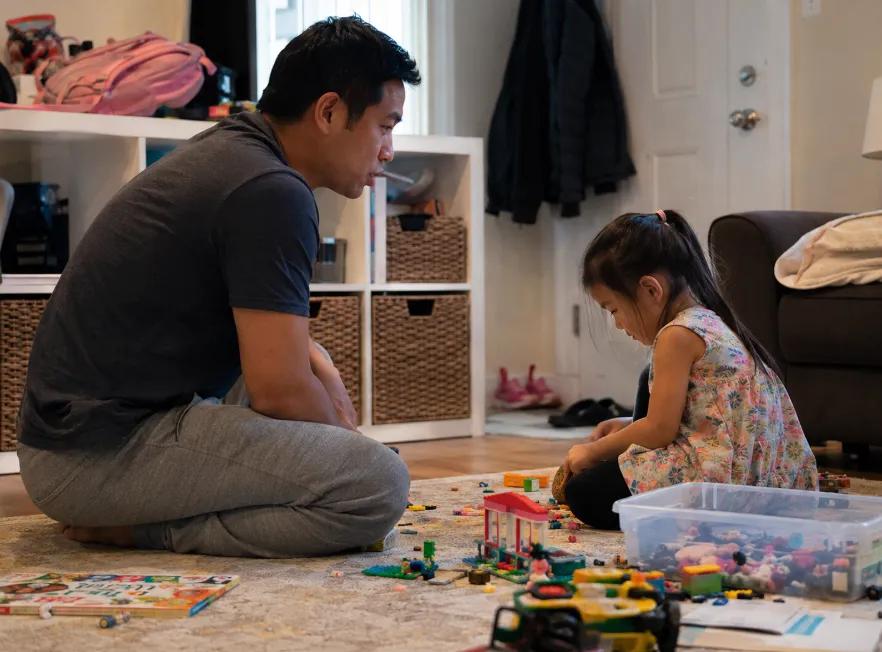
Your child isn’t ignoring you because they want to make you angry. They’re ignoring you because they’re three — or five, or seven — and the world inside their head is still more urgent than the instruction that just came from outside it.
Yelling works because it interrupts. But interrupting often has a cost — for them, for you, and for the whole atmosphere at home.
The more sustainable path isn’t a louder voice. It’s building, slowly, a kind of communication that reaches them before you have to use volume as an emergency tool.
It’s slow work. Full of days when nothing goes right. And it’s worth so much more than it looks like at 6pm on a random Tuesday, with toys everywhere and patience running on fumes.
But if you yell again tomorrow, we’re not going to judge you. We’re just going to ask you to try to remember this piece.
Frequently asked questions
Is my child doing this on purpose to drive me crazy?
Almost never. What looks like deliberate defiance is, most of the time, a child fully absorbed in the present moment, genuinely struggling to switch activities or process more than one request at once.
When does yelling become a real problem?
When it becomes your main communication tool — when the calm voice has completely lost its effect and you always need to escalate to get a response. That’s the sign the cycle is well established and worth actively working to reverse.
How long does it take to change this pattern?
There’s no fixed timeline. What there is: small adjustments that, applied consistently, gradually shift the dynamic. Don’t expect results in two days — but you’ll likely notice a difference within a few weeks if you stick with it.
What if my child ignores the transition warning too?
It’ll happen. The heads-up isn’t a perfect solution — it’s a tool that raises the odds of cooperation. When it doesn’t work, the next step is physical presence and a direct instruction. Not a yell.